
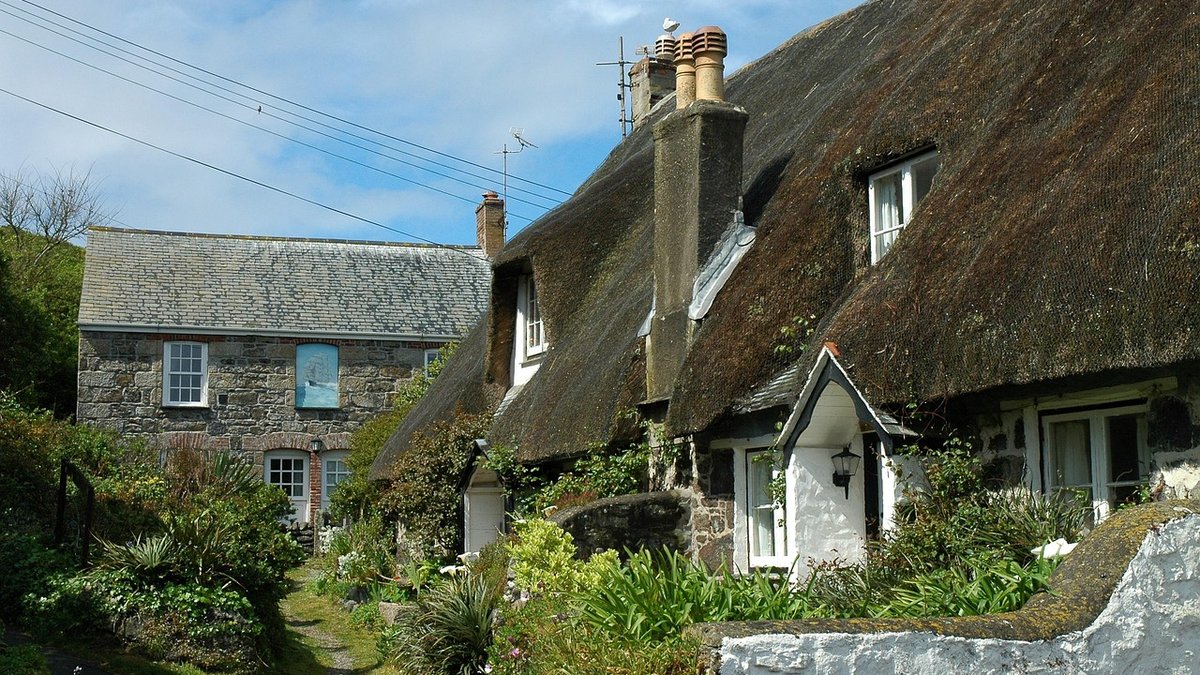
A shady corner need not be the poor relation of the cottage garden. In fact, some of the loveliest planting combinations in Britain thrive where the sun never quite reaches — think of a north-facing wall, the dappled ground beneath an old apple tree, or the strip along a hedge that stays cool and damp all summer. Get the plant choices right, and shade becomes a gift rather than a problem.
Before you buy a single plant, spend a day or two watching the light. Shade is not one thing. Dappled shade, cast by a deciduous tree or an open fence, gives a few hours of gentle sun and is the easiest to plant. Deep or dry shade, under a dense evergreen or against a north wall, is much tougher and needs the most tolerant plants. Damp shade — the kind you get at the foot of a north-facing boundary or beside a pond — is the richest of all, and it is where hellebores, ferns and foxgloves look most at home.
It also pays to improve the soil before planting. Shade often goes with dry, root-filled ground, so fork in plenty of well-rotted garden compost or leafmould to a spade's depth. Aim to plant in autumn, when the soil is warm and moist and roots can settle in before winter.
If you plant only two things for shade, make them hellebores and ferns. They give you evergreen structure and a long season of interest, and they ask for very little once established.
Together they form a low-maintenance framework that looks good even in the depths of January.
Foxgloves are the cottage garden's signature plant, and they are perfectly happy in light or part shade. Their tall spires push colour up through low planting and bring bees into the garden in early summer. Sow seed thinly on the surface of moist compost in summer, prick out the seedlings, and plant them out in autumn for flowers the following year. Once you have them, they will often self-seed gently around the border, which is exactly the relaxed look you want.
Mix in a few companions for variety: lady's mantle for frothy lime-green edging, astilbe for feathery plumes in damp soil, and hostas for bold, ribbed leaves. Where slugs are a nuisance, keep hostas in pots with a copper band around the rim.
Shade borders can look bare from January to April unless you plan for it. Spring bulbs are the answer, because they do their work while the leaves above are still thin and the light is at its best.
Plant bulbs in drifts rather than straight lines, and let the foliage die back naturally before tidying. That yellowing leaf is feeding next year's flowers.
A cottage garden in shade should still have bones. Evergreen shrubs such as skimmia, sarcococca and mahonia hold the space through winter and scent the air in the bleakest months. Add a few clipped box or yew shapes if you like a tidier edge, and let self-seeders fill the gaps between them. A simple wooden bench, a stone trough or an old terracotta pot will give the eye somewhere to rest and make the shady corner feel deliberate rather than forgotten.
Finally, remember that shade gardening is a slow pleasure. Mulch each autumn, divide crowded clumps every few years, and let the plants find their own rhythm. In time, that cool, quiet corner will become the most restful part of the garden.

Hi, my name is Anthony kuber. I am artist and fashion designer.
I love to travel and writing blogging.
Your email address will not be published. Required fields are marked *
Software Developer & Writer
Hey, I'm Diva, a developer and writer blending code and creativity. I'm driven by a deep curiosity and a relentless pursuit of excellence. Join me as I craft digital solutions and captivating stories.


