
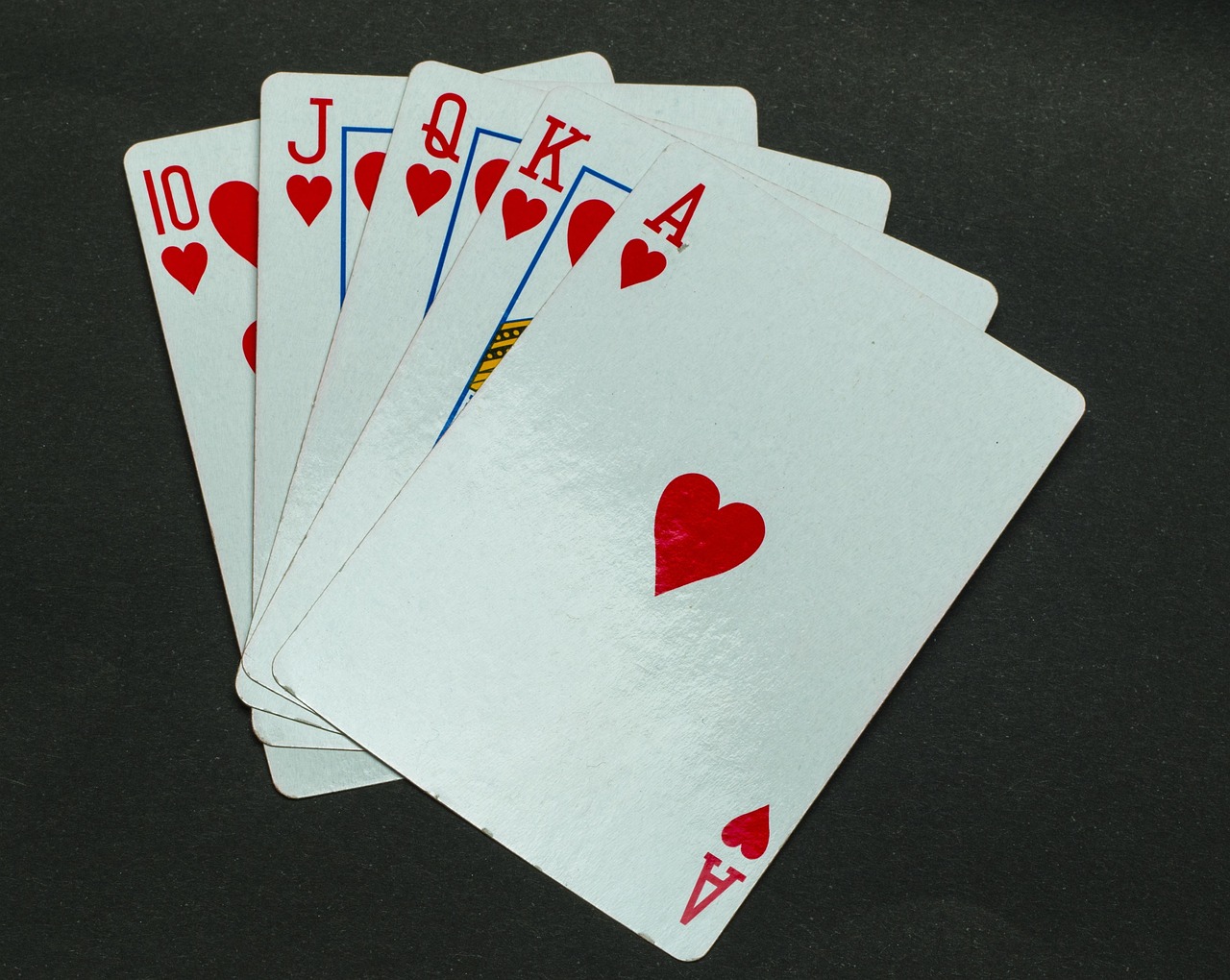
You see the flashing banners: "200% up to $1,000 + 100 Free Spins!" They sound like free money. But if you've ever tried to withdraw a bonus win, you already know the sting. That's not bad luck; it's math. The igaming industry thrives on players who don't understand the arithmetic behind the offers. This article changes that. We'll break down the real cost of a bonus, how house edge works across slots, blackjack, and poker, and the one skill that separates long-term winners from the rest.
Let's walk through a concrete example. You claim a 200% deposit bonus. You deposit $100, so you get $200 bonus money—total balance $300. The terms say 30x wagering on the bonus amount. That means you must bet 30 × $200 = $6,000 before you can withdraw anything.
Now, say you play a slot with a 96% RTP (return to player). The house edge is 4%. On average, every $100 you wager, you lose $4. To clear that $6,000 wagering, your expected loss is 4% × $6,000 = $240. You are risking $240 in expected value just to unlock the bonus. But wait—your bonus was only $200. So the bonus is actually negative EV. You'd be better off not taking it.
Here's the kicker: many slots contribute only 50% or 20% toward wagering. Play a low-contribution game, and the effective wagering requirement doubles or quintuples. Always check the contribution table before you spin a single reel.
New players often bounce between slots, blackjack, and poker without realising each game has a radically different cost per bet. Here's a quick-reference table in plain English: For practical tips, check out keonhacaii5.com.co.
That last point is huge. In poker, a skilled player can have a positive expected value. In slots, you cannot change the math. The only variable is variance. So if you want to actually win long term, poker and advantage blackjack are where the edge seekers go.
Two slots can both have 96% RTP but feel completely different. That's volatility. High-volatility slots like Book of Dead or Bonanza pay rarely but can hit 5,000x your stake. Low-volatility slots like Starburst pay often but small. The mistake? Chasing a bonus on a high-volatility slot with a small bankroll. You'll likely bust before you trigger the free spins.
A simple rule: for a 30x wagering requirement, your bankroll should be at least 100x your average bet. If you bet $1 per spin, you need $100 just to have a reasonable chance of clearing the requirement without hitting zero. Most players bet $2–$5 on a $200 deposit—that's a recipe for disaster.
Also, check the max bet rule. Many bonuses cap your bet at $5 or even $2 while wagering. Exceed it, and you forfeit the bonus and any winnings. Casinos won't warn you mid-session.
If you're tired of donating to the house edge, poker is your escape hatch. But it's not easy money. The rake means you must be better than the average player at your table just to break even. At a 5% rake capped at $3, the house is taking money off every pot. That's a constant drag.
To beat low-stakes cash games (e.g., $0.50/$1 no-limit hold'em), you need three things:
Online poker also offers rakeback and bonuses that can add 2–5% to your win rate. That's huge when your edge is only 2–3 big blinds per 100 hands.
Not all promotions are trash. Here's how to spot a +EV bonus:
Walk away when: wagering is over 35x, game contributions are below 50%, or max cashout is less than 3x the bonus.
The igaming world isn't rigged—it's priced. Every game, every bonus, every rake is a calculated number designed to grind you down over time. That doesn't mean you can't have fun. It means you should treat gambling like any other entertainment expense: set a budget, understand the cost per hour, and never chase losses. If you want to actually profit, move toward poker or advantage play, where skill shifts the math in your favour. For everything else, assume the house wins—and decide if the thrill is worth the price.

Hi, my name is Anthony kuber. I am artist and fashion designer.
I love to travel and writing blogging.
Your email address will not be published. Required fields are marked *
Software Developer & Writer
Hey, I'm Diva, a developer and writer blending code and creativity. I'm driven by a deep curiosity and a relentless pursuit of excellence. Join me as I craft digital solutions and captivating stories.


