
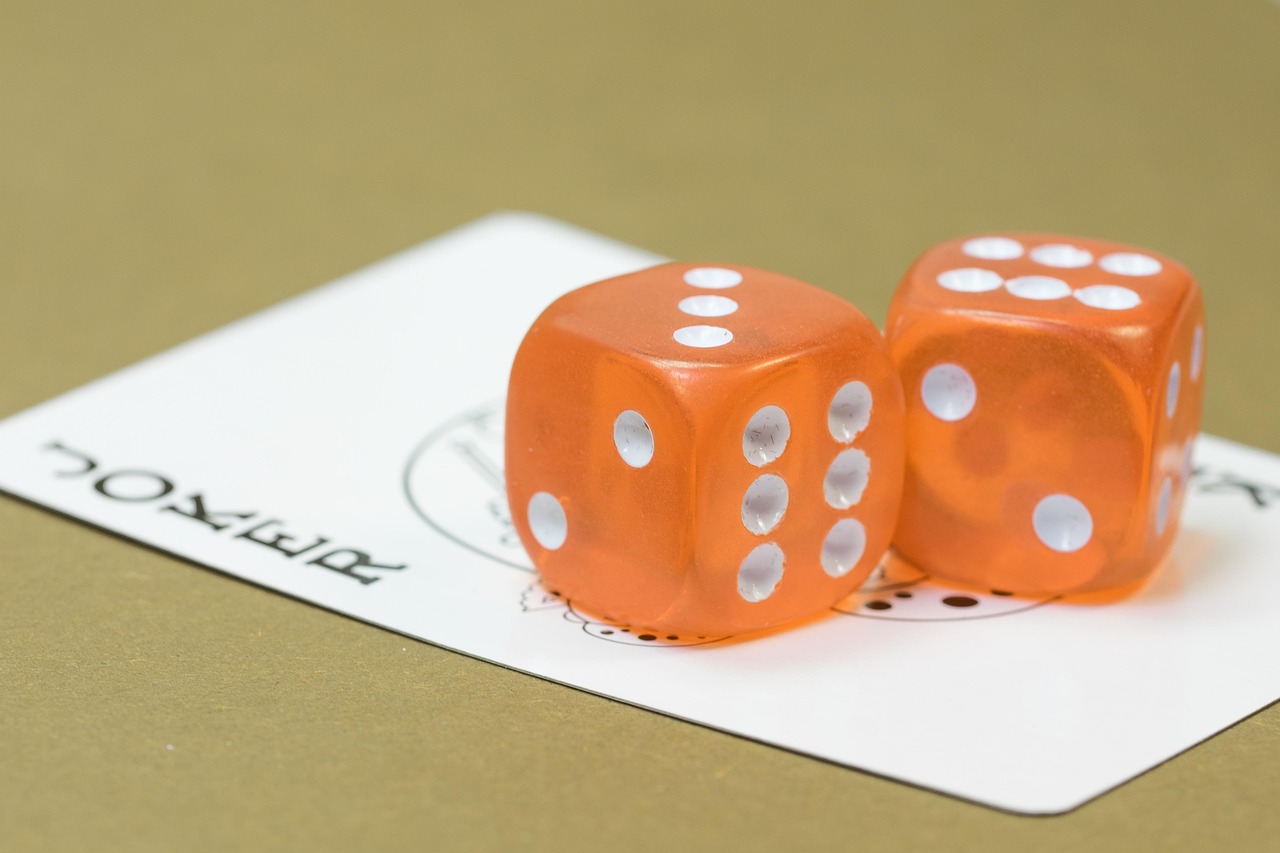
You have probably heard the phrase "low volatility" tossed around by streamers and casino affiliates like it is some kind of secret cheat code. It is not. Volatility is simply the personality of a slot machine, and understanding it is the difference between a session that lasts three hours and one that ends in ninety seconds with an empty balance and a confused look on your face.
Let me break down what volatility actually means, why it should dictate which games you play and how much you bring to the table, and a few practical habits that separate recreational players from the people who keep wondering where their money went.
Every slot has a theoretical return to player (RTP) percentage, usually somewhere between 94% and 97%. That number tells you what the machine pays back over millions of spins. It tells you nothing about how it pays.
Volatility is the shape of that payback. A high-volatility slot might have an RTP of 96.5% but deliver most of that return through rare, enormous wins. A low-volatility game with the same RTP spreads the money out in frequent, smaller payouts. Same average, completely different experience.
Think of it like two lottery scratch cards. One pays you a small prize every third card, and the other pays almost nothing until you hit the jackpot. Both can have identical expected value. Only one of them will keep your pulse steady.
Pragmatic Play's Gates of Olympus is a classic high-volatility example. Play'n GO's Fire Joker sits at the other end, with frequent small returns that slowly grind your balance. Same industry, opposite feelings. If this is new to you, nhacaitangtien.com.co is a sensible next read.
You do not need a spreadsheet. There are quick tells if you know where to look.
Provider documentation and review sites list volatility ratings, often as one to five lightning bolts. Treat that rating the same way you would treat a poker table's stakes. It changes everything about how you should sit down.
Here is where most players get themselves into trouble. They load $50, fire up a 10,000x max-win slot at $1 per spin, and burn out in ten minutes. That is not bad luck. That is bad planning.
A rough rule many experienced players use is to keep your session bankroll at 100 to 200 times your average bet for high-volatility slots. That means if you want to spin at $1, bring $100 to $200. For low-volatility games, 50 to 100 times your bet is usually enough because the swings are smaller.
So a $200 bankroll can reasonably support:
None of that guarantees a win, of course. What it does is give the slot enough spins to actually reach its bonus features and variance cycles. Hitting a 500x win on spin five is nice. Being able to afford five hundred spins to chase that same win is realistic.
The same concept translates across the entire iGaming world, and players who understand that tend to get more out of their sessions.
In blackjack and baccarat, volatility is low to moderate. Basic strategy blackjack has a house edge around 0.5%, and results cluster tightly around expectation. Your bankroll moves slowly.
In video poker, game choice changes everything. Jacks or Better has low volatility. Double Double Bonus has much higher volatility because the paytable concentrates value in four-of-a-kind and royal flush hands.
In poker, tournament play is essentially high-volatility. You pay a fixed buy-in and either bust early or run deep for a massive score. Cash games are lower volatility because the blinds are set and you can leave at any time.
In sports betting, a single match bet is medium volatility, but a twelve-leg parlay is about as high-volatility as gambling gets. Same sport, wildly different risk profiles.
A few things experienced players do without overthinking them:
Also remember that features like buy bonus rounds turbocharge volatility. Buying a bonus for 100x your bet concentrates an entire session's risk into one spin. That can be a great tool if you understand it and a terrible trap if you do not.
Volatility is not a warning label and it is not a marketing gimmick. It is the single most useful piece of information on any game page, and it should shape which games you play and how you fund them. A high-volatility slot in the hands of an underfunded player feels broken. The same machine in the hands of someone with the right bankroll and the right expectations feels like exactly what it is: a game of chance with a long tail of possibility.
Study the paytables, respect the multipliers, size your bets against your balance, and stop treating every spin like it owes you something. The players who last in this industry, whether they are grinding cash games, spinning slots, or firing off a Sunday parlay, are not luckier than the rest. They just plan for the bad runs as carefully as they dream about the good ones.

Hi, my name is Anthony kuber. I am artist and fashion designer.
I love to travel and writing blogging.
Your email address will not be published. Required fields are marked *
Software Developer & Writer
Hey, I'm Diva, a developer and writer blending code and creativity. I'm driven by a deep curiosity and a relentless pursuit of excellence. Join me as I craft digital solutions and captivating stories.


